Wednesday, 9 March 2011

The biggest market place in the world - Internet users reach 2billion

20 years ago, the face of commerce and market places were simple. If you wanted to buy something, in 99% of cases you had to get up and leave the house - there was almost no other way round it. And once out of the house, to compare prices, you had to go from shop to shop. This is simply what a market place was. Then, on August 6, 1991, Tim Berners-Lee, a British scientist created the world wide web, and the wheels were set irreversibly in motion that would change the way we shop forever. Less than 20 years after its inception, we now have the 2 billionth member of the internet community. That's 2 billion people who have the potential to buy and sell in the same market place, leading to unrivaled opportunities for both parties to benefit from the biggest platform of trade on Earth.
Internet shopping is so convenient, in many cases it is addictive!
This figure comes from the report by the International Telecommunications Union, which also go on to confirm that 940 million people have subscribed to 3G services, enabling web access on mobile devices, and that there are now over 555 million fixed broadband connections globally.


So it's not just dial-up from the days of old - people are surfing and shopping both at home on high speed connections, as well as on mobiles the move. The key growth area that everyone is keeping an eye on is the smartphone market, where sales have now surpassed PC sales ahead of forecasts, according to Google. And now IMRG's research tells us that 40% of consumers reach for their mobiles when they see an advert, showing how powerful this tool is for e-commerce, and we are seeing more and more innovative ways to further tap into this ever growing m-commerce market to maximise online sales.


At the push of a button, you can be on a website, shopping for jeans online
before you've even turned the corner to the high street


So, with all this in mind, what are the next moves from leaders in e-commerce? With the internet becoming truly global, starting to touch all corners of the world, there are increasing expansions out of core geographical markets to maximise revenues. It has been announced that John Lewis is opening up its online store for international delivery across Europe and its rival, Marks & Spencer, is expanding internationally with the launch of a new overseas website - taking advantage of the web being a world wide resource, these market leaders are moving focus away from purely UK sales. Also, we are seeing a significant rise in mobile links in advertisements and newspapers as a method of quickly being able to link the consumer to a webstore to buy while the advert is still in mind, vastly improving customer conversion and sales.
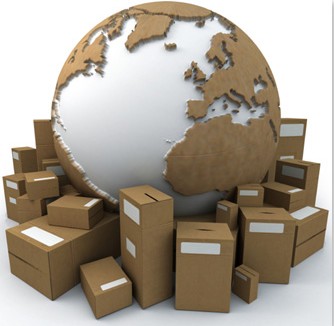

You may be able to ship worldwide...
but can you take payments worldwide?...


If you are looking at taking advantage of a more global market place, there are two essential elements. Being able to ship across the world, and being able to accept payments from across the world. For further advice on the payments aspect of this, or regarding any other parts of my blog, please feel free to comment or get in touch.


Dan Robertson

Monday, 7 February 2011

The 2010 Record Breaker

With mince pies now a distant memory, and wrapping paper long since discarded, the fruits of the record breaking 2010 online sales have been reaped, counted and celebrated as figures came in amidst frantic January sales.


But what made this another record breaking year, and did it meet the high pre-season expectations? Well, one of the bigger winners was John Lewis. The 'Mega Monday' promotion was the biggest day in its online history, with web sales up 45% in the week that finished on the 11th of December.


According to TeaLeaf, experts in researching customer experiences:

  • 44% of Britain’s online adult population upped their online spending this Christmas compared to 2009, pushing the total amount spent online to £2.8bn.
  • 45% of those who shopped online encountered website problems while doing their Christmas shopping, and 32% abandoned purchases as a result.


These high growth figures we never really in doubt, as pre-empted in my previous post, though these figures still generally superseded some of the highest expectations in growth. This could easily be linked to the snow that gripped most of the country throughout much of December, making it more difficult for consumers to get out and shop in the high streets, encouraging a declining group of those who have remained un-enamoured about online shopping to reconsider. However, as Christmas drew nearer, there were concerns that goods would not be able to be delivered on time, putting pressure on consumers to be sure of getting their purchases by making it to the high street instead.


The benefits of shopping online were all to clear last year...
if you put your order in early enough that is...


One thing that is still perhaps surprising is that there is still such a high rate of shoppers facing problems with web shops. Unsurprisingly however is the high abandonment rate that goes with this - with such a plethora of competing sites just a click away, consumers are understandably unwilling to risk their card details with a potentially spurious store or payment gateway when they can go elsewhere so easily. 


Further food for thought from eDigital Research:

  • 86% of UK consumers logged onto the internet over Christmas Day and Boxing Day this year, an increase of over 10% when compared with figures from 2009.
  • 22% of online users accessed the internet on their phones, confirming the importance of mobile commerce for retailers. 
  • 30% of online consumers used the internet to shop online on Boxing Day, while 62% of online consumers shopped for sale items and discounted products across the two days. 


The power of m-commerce - destined to shape the future for trends in consumer shopping


As we stride into 2011,  we hear news that the UK Government is promising every community access to superfast broadband services by 2015 - a sure sign of the times and trends. And the prevalence of smart phones begin their ascent into the world of e-commerce, hosting shopping platforms, capable of scanning bar-code in store, comparing prices in an instant and often showing consumers a better deal, mobile shopping, otherwise known as m-commerce, is going to drastically re-shape the payments and e-commerce landscape for next year's Christmas rush. The consumer has never been so well equipped, and in such a fast growing industry, no merchant can be complacent and expect sit back and ride the wave of success - who keeps up with these developments, using initiative and foresight will be the one repeating success in the years to come.


Dan Robertson

Friday, 17 December 2010

Anticipating Online Christmas Sales

This week brings in new reports - one from card issuer MasterCard and the other from Chase Paymentech after their review on November and Christmas e-commerce sales figures. The report compares sales from 2009 and 2010, showing more good news for web merchants - another year of significant online shopping growth.

MasterCard's SpendingPulse report has seen sales increase by 12% in November compared to 2009, with apparel clinching the best results in the industry sector with 22% increases, registering, "the twelfth consecutive month of double-digit growth online". Looking specifically at children's clothes, they have seen growth of 33.3% and shoes at 32.7%, though women's online apparel shows a more modest 7% growth.


Chase are expecting 2010 believe that UK shoppers will be spending an estimated £11.5bn throughout the 10 week holiday season, and with last year's figures in mind, this would be a £2.6bn increase - a huge 28.8% improvement over this period.


MoneyDashboard has reported that almost 50% of consumers surveyed are intending to do the majority of their Christmas shopping online, taking their business away from the high street and on to the web - a general trend that they expect to continue.


The high street still has its uses, even for the most avid of online shoppers


This is more good news for online merchants, who over this 10 week season, on average, take just under a quarter of their annual sales.


With the last few days of online shopping ticking away, web shops are almost ready to take stock of their year before the final critical period of January sales before they can fully re-asses their 2011 business strategy, and I look forward to publishing results in the new year to see if the above expectations come to fruition.


Dan Robertson

Friday, 26 November 2010

E-Commerce Payment Trends - Germany vs the UK and the rest of Europe

This week, a study released by Deutsche Card Services gave an interesting insight into online shopping and payment trends. Compiled with data from 24 million transactions, it is predominantly about the German market, but also including notable comparisons with the UK and the rest of Europe. Though this report is available for purchase on the Deutche Card Services shop, I though it worth summarising the key points raised in this post.


Seasonal Fluctuations
In comparison to stationary businesses, who often find a lull in summer sales, e-commerce found that seasonal fluctuations across the year were small - fluctuations that are levelling more in comparison to previous years. Germany and UK were found to have the most even spread of sales across the year, bearing in mind one exception of December, where sales increase with strong Christmas demand.


Shopping Day of the Week
For shopping across European sites, the best day for sales has moved from Tuesday to Monday. The one differentiator for Germany is that an above average level of sales are occurring on Sundays, a non-working day, which is dissimilar to the rest of Europe. German women have overtaken men in online shopping volume, but have a lower spend than their male counterparts. The European share of women shopping in e-commerce is 40%, whose main shopping hours are during core working hours (8am-6pm) but, unlike Germany, women are spending more online than men.


Transaction Values
As one might expect under current financial pressures, average transaction spends have fallen. The record high of €84.31 has fallen in Germany, the UK and the rest of Europe to €65.35, but it is worth noting that, though the number of €100-500 and €500+ purchases have fallen, the €0.01 - 10 purchase band has increased in volume, possibly suggesting that the downloads market is strengthening.


Local Payment Methods
The local payment methods in Germany are Sofort, ELV and Giropay. Giropay is now the fastest growing payment method in Germany, making room amongst the once dominant bank transfer option. Credit cards are also gaining more momentum as a preferred payment option in a market where they have, until recently, had a very low exposure.


More dominant than International payment methods like Visa & MasterCard,
German consumers are far more likely to use their local options to shop


Conclusion
As much as there are growing similarities between the UK and German e-commerce market places, there are still many disparities that are worth noting if you are an EU-based retailer selling to Germany. Taking note of popular purchasing days, the changes in average spending trends and gender differences could prompt business strategy changes and the way you sell. And if you are selling to Germany, and do not support Giropay, Sofort and ELV, by accepting these methods you could substantially increase sales in this strong market.


For more information, please feel free to contact me at daniel.robertson@moneybookers.com


Dan Robertson


Alternate Payment Methods - Part II will be published soon
The report summarised above can be found at: deutsche-card-services.com

Wednesday, 17 November 2010

Alternate Payment Methods, Part 1 - E-Wallets

Being an online retailer has never been so good. As we slowly but surely ease out of the recession towards the busiest time of the retail year, people are not strapped for cash, but are still on the look out cheap deals on-line. More and more people are gaining confidence to step in from the high street and look online for the best deals, particularly that once wary bracket of consumers aged 45 and over, who are putting more trust in the e-commerce way of life.

It would be easy to relax and watch the orders flood in, though, as we all know, being complacent in the world of online retail can be a dangerous path to take. Shopping cart abandonment has shown little sign of dropping from it's 2008 level of 75% (Core Metric(US) 2008 - also confirmed by merchants I speak with on a day to day basis), meaning that 3/4 customers with items in their basket aren't finishing the online shopping life cycle.


Watching from the other side, working in the payments industry, the reasons behind such high drop out levels is all too clear. There are multiple key reasons, one of which I shall focus on here, e-walets, and the others in subsequent posts, namely:


- E-wallets

- International vs Local payment methods
- Bank Transfers
- Security and Anti-Fraud
- M-payments (mobile payments)


E-Wallets:

Otherwise known as ''digital wallets', e-wallets are an electronic way of storing money that allows for quick, secure transfers and payments. Rather than fumbling around for a list of card details, users merely have to use an email address and password. This simplified payment method encourages higher customer conversion due to the benefit of not requiring a card to be present and the speed of being able to pay.

The major international e-Wallets:


e-wallet             Account holders:         Main Markets:

PayPal              140 million                   North America and Europe
AliPay               300 million                   China
Moneybookers    15 million                     Europe
DineroMail          2 million                      Latin America

Other main wallets:

Moneta, WebMoney and Yandex in Russia
Click & Buy in Germany


With nearly 500 million account holders between these 4 methods alone,
e-wallets are the fastest growing payment method in the world


Depending on the geographical location of where a merchant sells their products, checkout pages need to offer options to their customers to pay to maximise conversion. If you discover that your checkout abandonment is high from international shoppers, perhaps in South America for example, consider that only 80% of credit cards issued in Latin America are accepted internationally (DineroMail, 2010) and that payment preference is e-wallet. This is the same story for many nations, and with e-wallet payments being by-far the world's fasted growing payment method, it could be costly not to factor in this payment option for customers.

Conclusion:

Consider where your customers and potential customers are based, and consider the question, 'is everyone able to use their preferred payment method on my site?'. If the answer to this question is 'no', applying the relevant e-wallet option to your checkout page could be the first step to increasing you customer conversion, staying ahead of the competition, and maximising those Christmas sales.


Dan Robertson

Saturday, 6 November 2010

First thoughts - Bridging the Gap

Working in the payments industry in the e-commerce sector, it quickly becomes clear that the complexity and closed-nit network of payments professionals often mean that there is a disparity in knowledge between them and those in the e-commerce sphere - information that could significantly improve web revenue streams, reduce costs and direct growth strategies.


As a bit of background, I started working in the payments industry as a cards and payments recruitment consultant at Spencer Rose in 2008, sourcing technical and business professionals. I have since moved to Moneybookers, a payment service provider enabling online merchants to securely accept card payments, not only with standard international card schemes, but with over one hundred of the myriad of local options across the world, providing true global e-commerce opportunities.


It is my goal within these posts to bridge the gap between e-commerce and the payments sectors - share information, opinions and industry updates. I hope you find the upcoming posts interesting, thought provoking and beneficial to your business.


Dan Robertson