Wednesday, 9 March 2011

The biggest market place in the world - Internet users reach 2billion

20 years ago, the face of commerce and market places were simple. If you wanted to buy something, in 99% of cases you had to get up and leave the house - there was almost no other way round it. And once out of the house, to compare prices, you had to go from shop to shop. This is simply what a market place was. Then, on August 6, 1991, Tim Berners-Lee, a British scientist created the world wide web, and the wheels were set irreversibly in motion that would change the way we shop forever. Less than 20 years after its inception, we now have the 2 billionth member of the internet community. That's 2 billion people who have the potential to buy and sell in the same market place, leading to unrivaled opportunities for both parties to benefit from the biggest platform of trade on Earth.
Internet shopping is so convenient, in many cases it is addictive!
This figure comes from the report by the International Telecommunications Union, which also go on to confirm that 940 million people have subscribed to 3G services, enabling web access on mobile devices, and that there are now over 555 million fixed broadband connections globally.


So it's not just dial-up from the days of old - people are surfing and shopping both at home on high speed connections, as well as on mobiles the move. The key growth area that everyone is keeping an eye on is the smartphone market, where sales have now surpassed PC sales ahead of forecasts, according to Google. And now IMRG's research tells us that 40% of consumers reach for their mobiles when they see an advert, showing how powerful this tool is for e-commerce, and we are seeing more and more innovative ways to further tap into this ever growing m-commerce market to maximise online sales.


At the push of a button, you can be on a website, shopping for jeans online
before you've even turned the corner to the high street


So, with all this in mind, what are the next moves from leaders in e-commerce? With the internet becoming truly global, starting to touch all corners of the world, there are increasing expansions out of core geographical markets to maximise revenues. It has been announced that John Lewis is opening up its online store for international delivery across Europe and its rival, Marks & Spencer, is expanding internationally with the launch of a new overseas website - taking advantage of the web being a world wide resource, these market leaders are moving focus away from purely UK sales. Also, we are seeing a significant rise in mobile links in advertisements and newspapers as a method of quickly being able to link the consumer to a webstore to buy while the advert is still in mind, vastly improving customer conversion and sales.
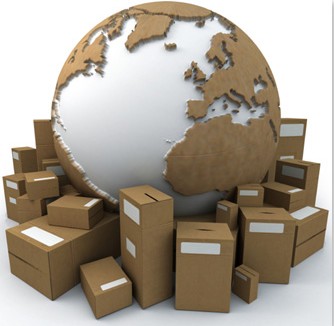

You may be able to ship worldwide...
but can you take payments worldwide?...


If you are looking at taking advantage of a more global market place, there are two essential elements. Being able to ship across the world, and being able to accept payments from across the world. For further advice on the payments aspect of this, or regarding any other parts of my blog, please feel free to comment or get in touch.


Dan Robertson

Monday, 7 February 2011

The 2010 Record Breaker

With mince pies now a distant memory, and wrapping paper long since discarded, the fruits of the record breaking 2010 online sales have been reaped, counted and celebrated as figures came in amidst frantic January sales.


But what made this another record breaking year, and did it meet the high pre-season expectations? Well, one of the bigger winners was John Lewis. The 'Mega Monday' promotion was the biggest day in its online history, with web sales up 45% in the week that finished on the 11th of December.


According to TeaLeaf, experts in researching customer experiences:

  • 44% of Britain’s online adult population upped their online spending this Christmas compared to 2009, pushing the total amount spent online to £2.8bn.
  • 45% of those who shopped online encountered website problems while doing their Christmas shopping, and 32% abandoned purchases as a result.


These high growth figures we never really in doubt, as pre-empted in my previous post, though these figures still generally superseded some of the highest expectations in growth. This could easily be linked to the snow that gripped most of the country throughout much of December, making it more difficult for consumers to get out and shop in the high streets, encouraging a declining group of those who have remained un-enamoured about online shopping to reconsider. However, as Christmas drew nearer, there were concerns that goods would not be able to be delivered on time, putting pressure on consumers to be sure of getting their purchases by making it to the high street instead.


The benefits of shopping online were all to clear last year...
if you put your order in early enough that is...


One thing that is still perhaps surprising is that there is still such a high rate of shoppers facing problems with web shops. Unsurprisingly however is the high abandonment rate that goes with this - with such a plethora of competing sites just a click away, consumers are understandably unwilling to risk their card details with a potentially spurious store or payment gateway when they can go elsewhere so easily. 


Further food for thought from eDigital Research:

  • 86% of UK consumers logged onto the internet over Christmas Day and Boxing Day this year, an increase of over 10% when compared with figures from 2009.
  • 22% of online users accessed the internet on their phones, confirming the importance of mobile commerce for retailers. 
  • 30% of online consumers used the internet to shop online on Boxing Day, while 62% of online consumers shopped for sale items and discounted products across the two days. 


The power of m-commerce - destined to shape the future for trends in consumer shopping


As we stride into 2011,  we hear news that the UK Government is promising every community access to superfast broadband services by 2015 - a sure sign of the times and trends. And the prevalence of smart phones begin their ascent into the world of e-commerce, hosting shopping platforms, capable of scanning bar-code in store, comparing prices in an instant and often showing consumers a better deal, mobile shopping, otherwise known as m-commerce, is going to drastically re-shape the payments and e-commerce landscape for next year's Christmas rush. The consumer has never been so well equipped, and in such a fast growing industry, no merchant can be complacent and expect sit back and ride the wave of success - who keeps up with these developments, using initiative and foresight will be the one repeating success in the years to come.


Dan Robertson